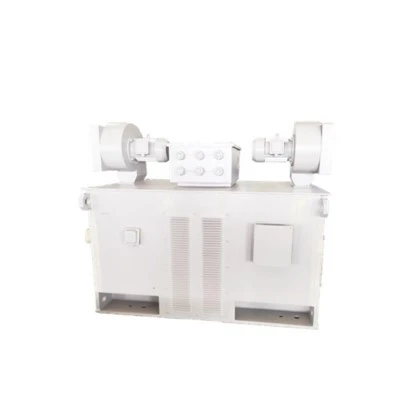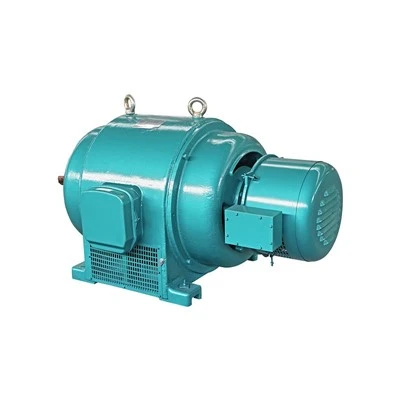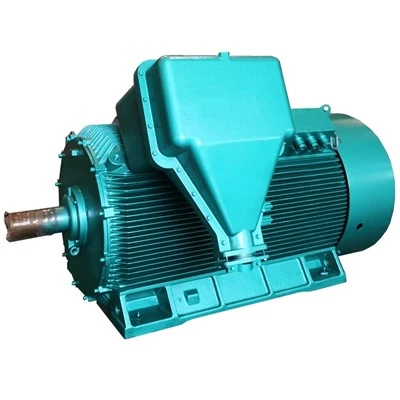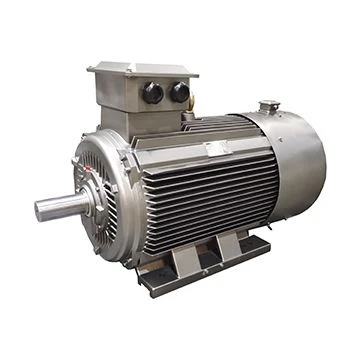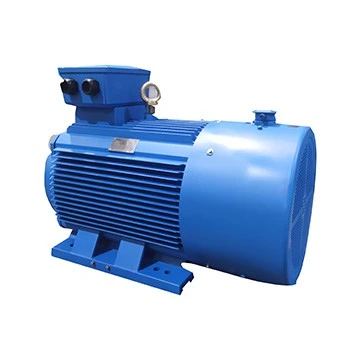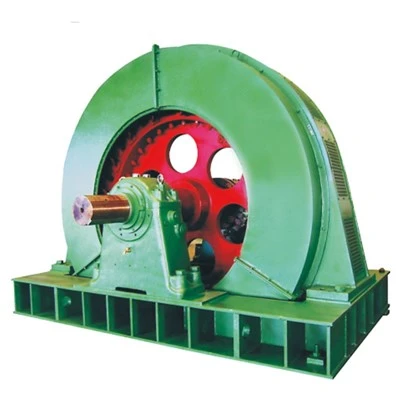

Torque is a core performance metric for large AC motors and a key reference for heavy‑industry motor selection. As a supplier of high voltage motors and medium and large DC motors, PUTAI Motor frequently receives technical questions regarding large AC motor torque. This article covers core torque concepts, influencing factors and practical selection guidance for industrial buyers.
Basic Torque Principle
Torque is the rotational driving force applied to a shaft, which drives conveyors, pumps, fans and mixers. Calculated as \(\tau=F\times r\), torque in AC motors comes from magnetic‑field interaction between stator and rotor. Alternating current in stator windings generates a rotating magnetic field, which induces rotor current and creates a second magnetic field. The interaction of these two fields produces rotor rotation and output torque.
Critical Torque Parameters for Large AC Motors
Starting Torque: Output torque at motor startup. Heavy‑load equipment such as loaded conveyors requires high starting torque to overcome static inertia. PUTAI Motor YVFE4 Low‑Voltage Induction Motor delivers high starting torque for such applications.
Pull‑Up Torque: Minimum torque during acceleration from standstill to breakdown‑torque point. Insufficient pull‑up torque prevents the motor from reaching rated speed.
Breakdown Torque: Maximum torque before motor stalling. Heavy‑duty large AC motors are designed to withstand sudden load spikes. PUTAI Motor YE3 Energy‑Efficient Motor provides reliable breakdown torque under harsh conditions.
Full‑Load Torque: Rated torque output at full‑load rated speed. It is the primary basis for motor sizing. Mismatched full‑load torque will lead to speed drop or stall.
Main Factors Affecting Torque
Supply Voltage: Motor torque is proportional to the square of supply voltage. A 10 % voltage drop reduces torque by approximately 19 %. Stable input voltage is essential for consistent performance.
Supply Frequency: Frequency changes alter motor speed and torque‑speed characteristics. PUTAI Motor YVFE5 IEC 60034 Motor maintains stable torque across wide frequency ranges.
Motor Design: Pole count, winding configuration and rotor structure directly affect torque. Higher‑pole motors typically run slower with higher output torque.
Torque‑Speed Curve & Application Matching
The torque‑speed curve describes torque variation against rotating speed. Typical behaviour: high starting torque at low speed, dropping to pull‑up torque during acceleration, then rising to breakdown torque, before settling at full‑load torque at rated speed.
Match motor characteristics to your load type. Conveyors belong to constant‑torque loads; fans follow variable‑torque characteristics where torque rises with the square of speed. PUTAI Motor YE4 IE4‑efficiency motor features optimized torque‑speed performance for diverse working conditions.
Industrial Application Value
Insufficient torque causes stalling and production downtime. Over‑specification leads to unnecessary energy waste. In mining, large AC motors drive crushers and conveyors under heavy loads. PUTAI Motor YE5 High‑Efficiency AC Motor combines high‑torque output and energy‑saving performance.
PUTAI Motor also provides a full product lineup of high voltage motors, medium‑voltage motors and medium and large DC motors for mining, cement, metallurgy and oil‑gas projects.
Summary
Understanding torque indicators, influencing factors and torque‑speed characteristics supports correct large‑AC‑motor sizing for real‑world loads.
Requiring technical review or quotation for large AC motors, high voltage motors or medium and large DC motors, contact PUTAI Motor. Our engineering team recommends suitable models based on your load data and site conditions.